DiFluid R2 Extract coffee refractometer for TDS and extraction
DiFluid
225 €
Including VAT (EU). Shipping costs are calculated at checkout.
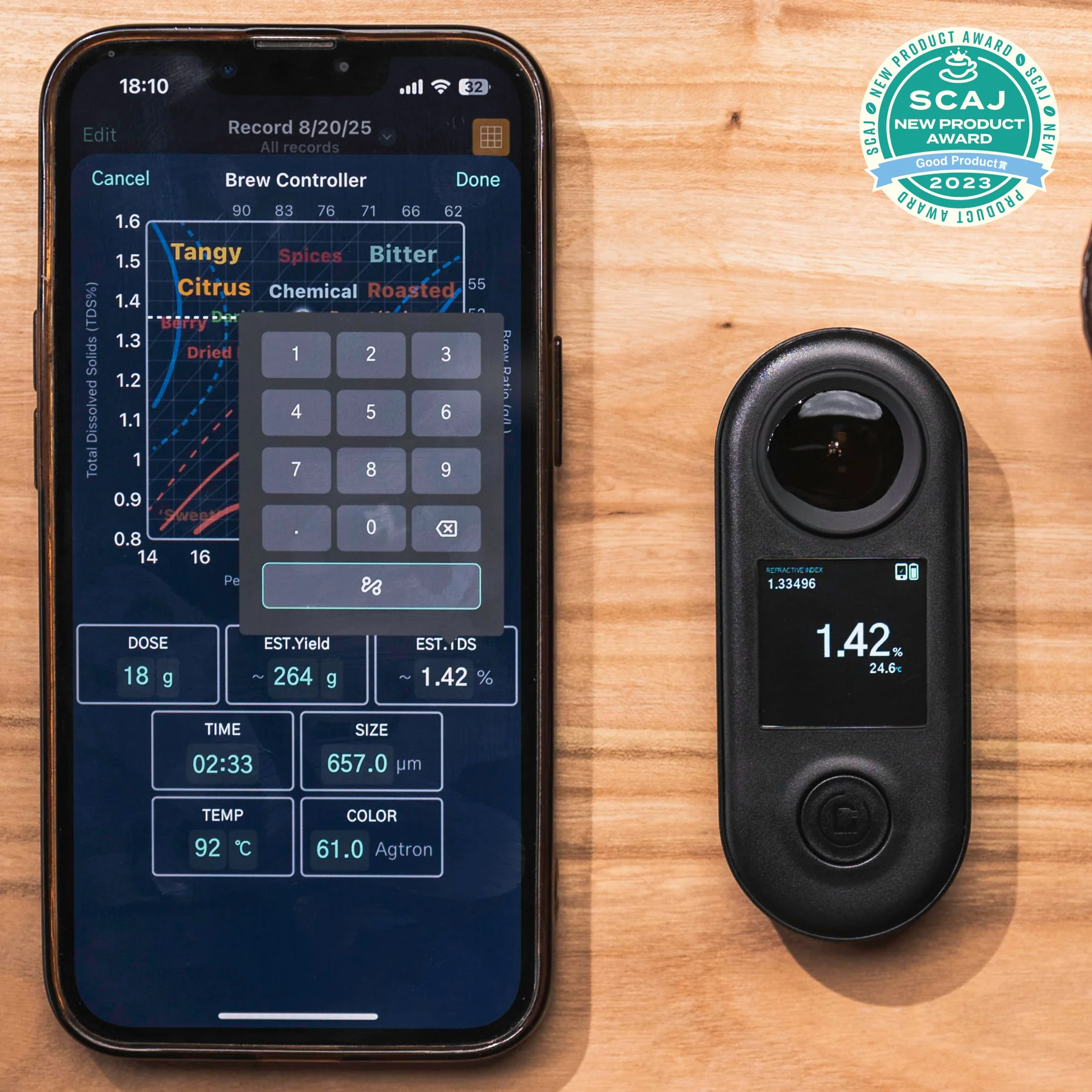
The DiFluid R2 Extract is an award-winning digital refractometer for measuring coffee extraction (TDS), with a measurement range of 0-30% TDS, ±0.03% accuracy, ±0.02% precision and 0.01% resolution. It uses a dual 2D CMOS image sensor with two separate temperature sensors and a hydrophobic nano-coated aluminium sample dish for fast, stable readings without a protective cap. The IP67 water-resistant housing includes a rechargeable 430 mAh battery, a large colour display and Bluetooth connectivity to the DiFluid Café App / CoffeeOS for automatic extraction logging across Standard, Multi- and Auto-test modes. Includes USB-C charging cable, sample spoon, microfibre cloth and protective pouch. Dimensions approx. 12 x 12 x 17 cm.
The DiFluid R2 Extract is a digital refractometer that turns coffee extraction into a number. Read the TDS of any brew, calculate your extraction yield, and log every session over Bluetooth in the DiFluid Café app. That way your best cups become recipes you can repeat.
- Measurement range: 0 to 30% TDS
- Resolution: 0.01% · Accuracy: ±0.03% · Precision: ±0.02%
- Sensor: dual 2D CMOS image sensor with two temperature sensors
- Sample dish: aluminium with hydrophobic nano-coating, no cap needed
- Water resistance: IP67
- Battery: rechargeable 430 mAh, USB Type-C
- Connectivity: Bluetooth, DiFluid Café app (Standard / Multi / Auto-test)
- Dimensions: approx. 12 × 12 × 17 cm
- DiFluid R2 Extract refractometer
- USB Type-C charging cable
- Sample spoon
- Microfibre cloth
- Protective pouch
Extraction · Measured
Stop guessing your extraction.
Read it to two decimals.
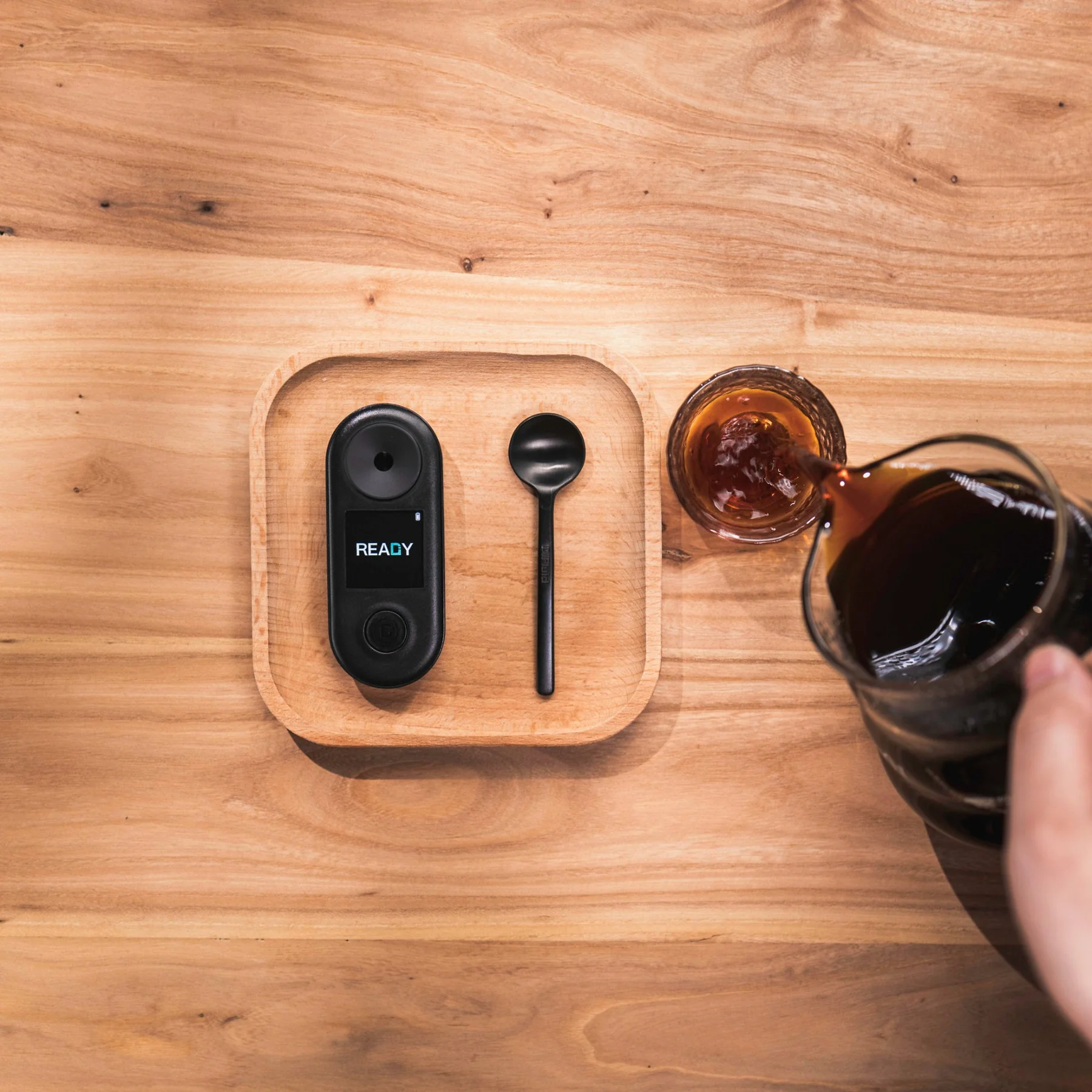
One drop of coffee, one number. The R2 Extract measures how light bends through your brew to reveal its total dissolved solids, the figure behind extraction yield, balance and repeatability. What used to be a taste-and-hope moment becomes data you can act on.
Instrument specification
Lab-grade optics,
brew-bar simple.
Dual CMOS sensor
A larger dual 2D CMOS image sensor with two temperature sensors reduces stray light and drift for stable, repeatable reads.
No cap needed
A hydrophobic nano-coated aluminium dish sheds droplets and conducts heat fast. Measure straight away, no protective cap.
430 mAh · USB-C
A rechargeable battery in an IP67 water-resistant body, built to live on the bar and take a splash.
App-connected
Bluetooth logging to the DiFluid Café app across Standard, Multi- and Auto-test modes. Every brew, recorded.
How it works
One drop
to a number.
Refractometry reads how much light bends as it passes through your coffee. The more dissolved solids, the more it bends.
Apply a drop
Place a single drop of brewed coffee onto the aluminium sample dish.
Sensor reads refraction
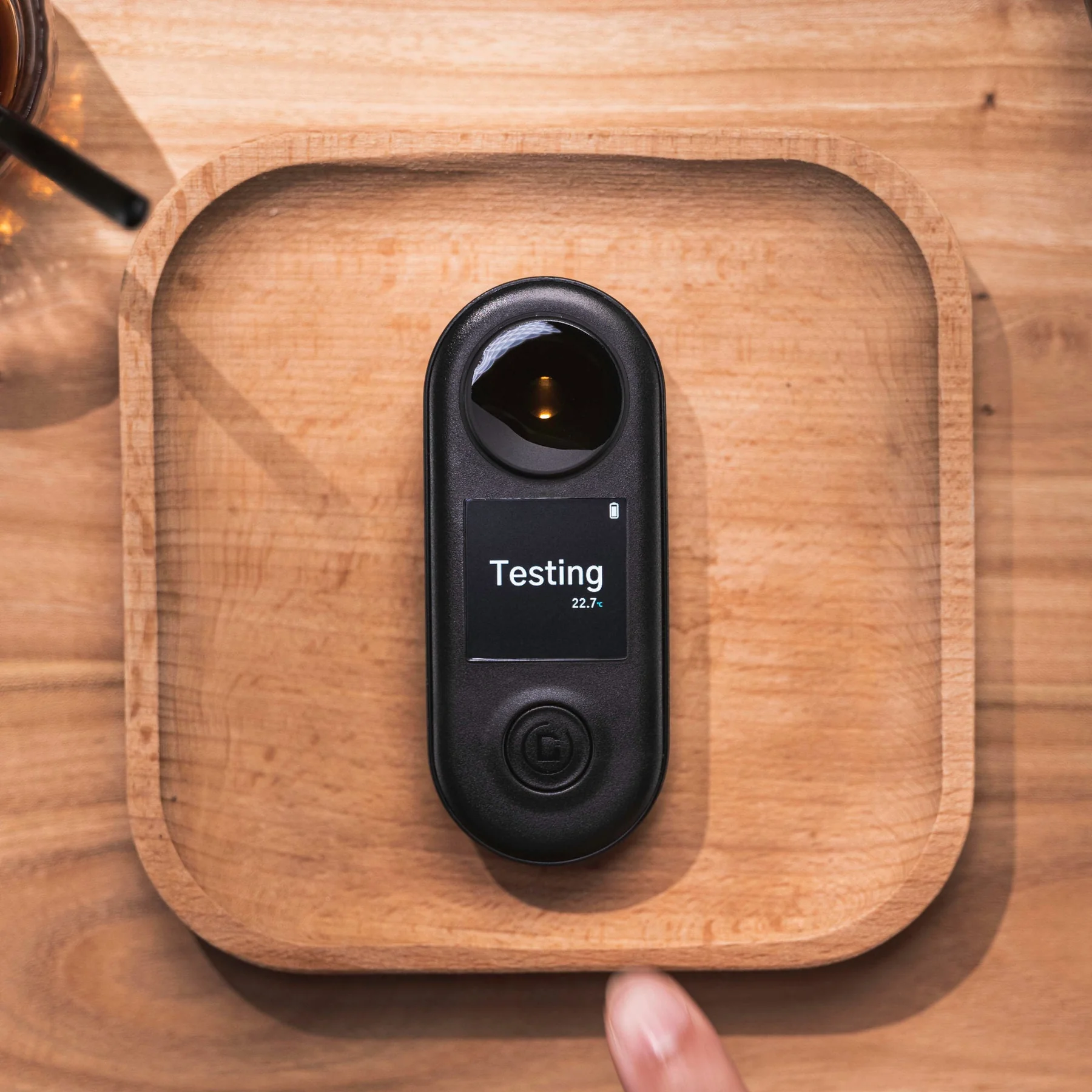
Light passes through the drop and the dual CMOS sensor measures exactly how it bends.
Read the TDS %
The display shows your TDS, and the app pairs it with extraction yield, logged for next time.
In the box
What does a refractometer measure and what does the reading tell you about your coffee?
A refractometer measures how strongly a drop of coffee bends light. The more substances from the ground coffee are dissolved in the water, the stronger the refraction. The device converts it into TDS, the share of total dissolved solids in percent. The value describes the strength of the cup, not its flavour. Combined with the coffee dose and the beverage weight, it gives you the extraction yield, the share of the ground coffee that actually ended up in the drink. That figure explains why a coffee tastes sour and thin or bitter and dry, and shows whether to grind finer or coarser. The DiFluid R2 Extract measures from 0 to 30 percent TDS with a resolution of 0.01 percent, an accuracy of plus or minus 0.03 percent and a precision of plus or minus 0.02 percent. It uses a dual 2D CMOS image sensor with two temperature sensors and sends its readings over Bluetooth to the DiFluid Café app.
From reading to extraction yield
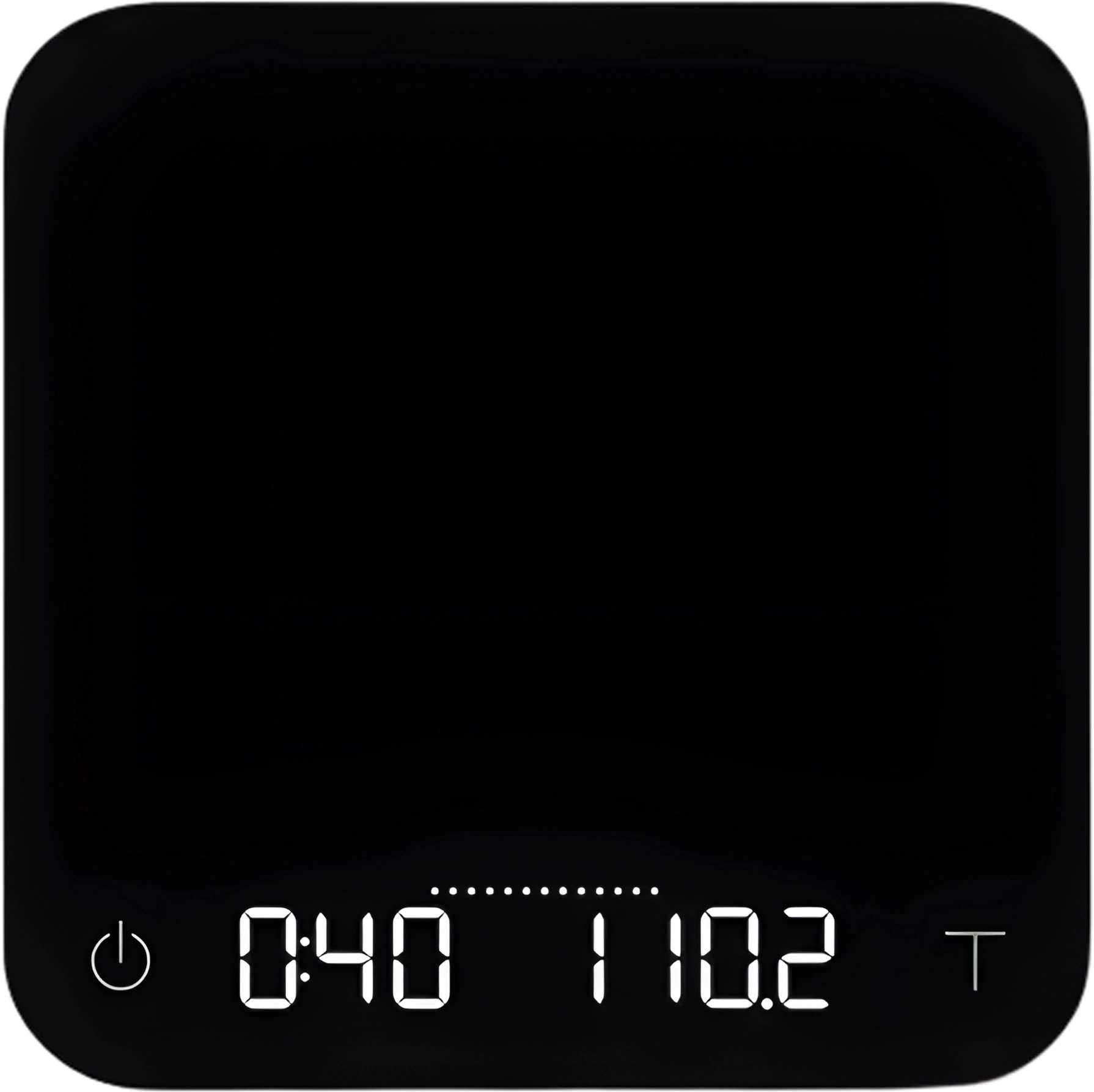
A TDS reading alone does not tell you whether a coffee is well extracted. For that you need two more numbers: the coffee dose and the weight of the finished drink. A scale that reads to 0.1 g, such as the Acaia Pearl Pitch Black, gives you both. The Brew Lab does the maths. Without a refractometer it estimates TDS from grind size, ratio, temperature and contact time. Once you enter your measured TDS and beverage weight, the whole result is calculated from your numbers instead of the model.
The benefit shows most clearly when you change only one variable. Brew the same coffee twice with the Graycano Dripper, once ground finer and once coarser, and measure both cups. The difference in extraction yield tells you which direction your recipe needs.
Where measuring fits in the setup and which gear comes before it is covered in the pour over setup in three steps.
Frequently asked questions
You might also like
Pearl - Pitch Black
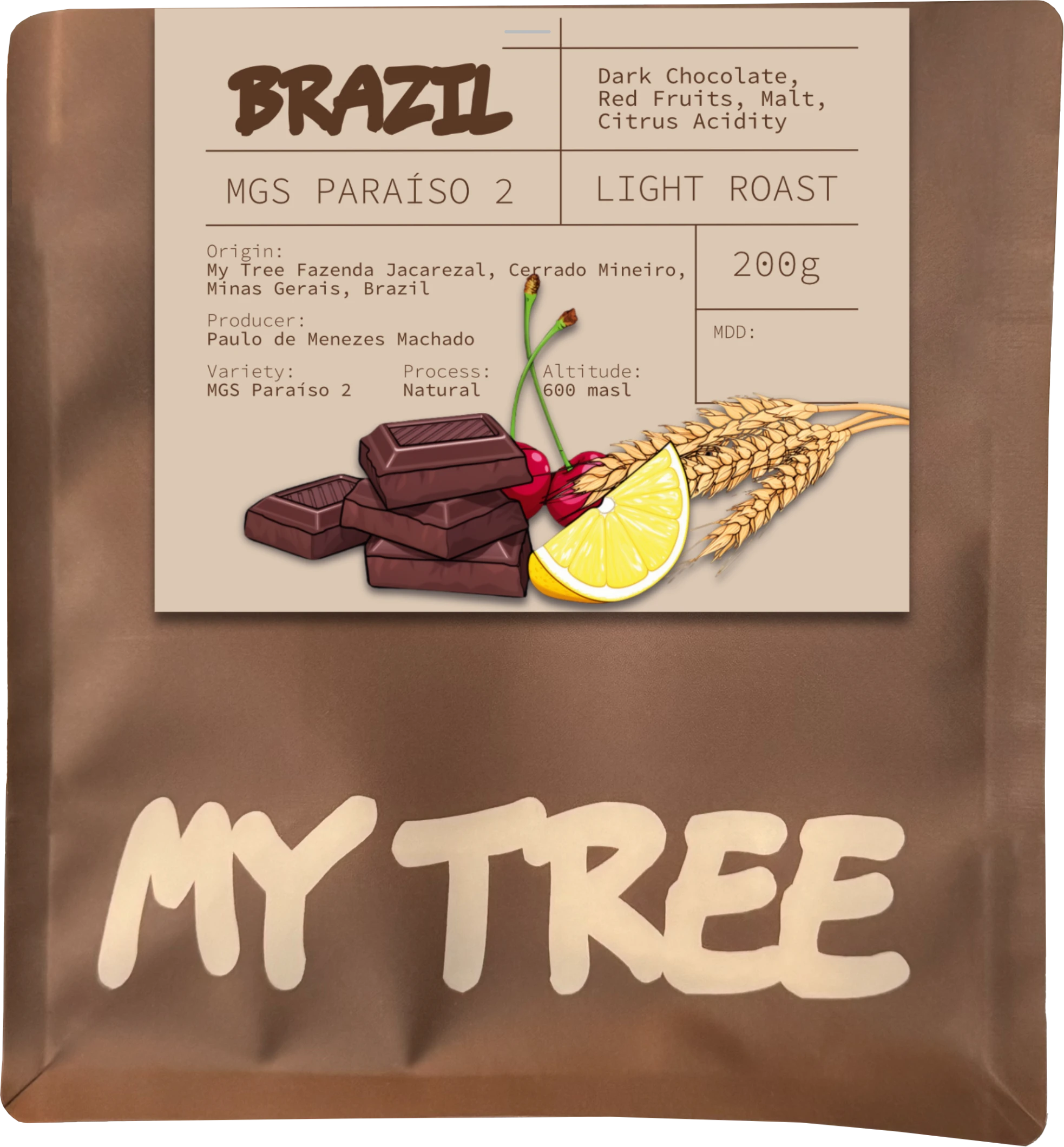
My Tree – MGS Paraíso 2
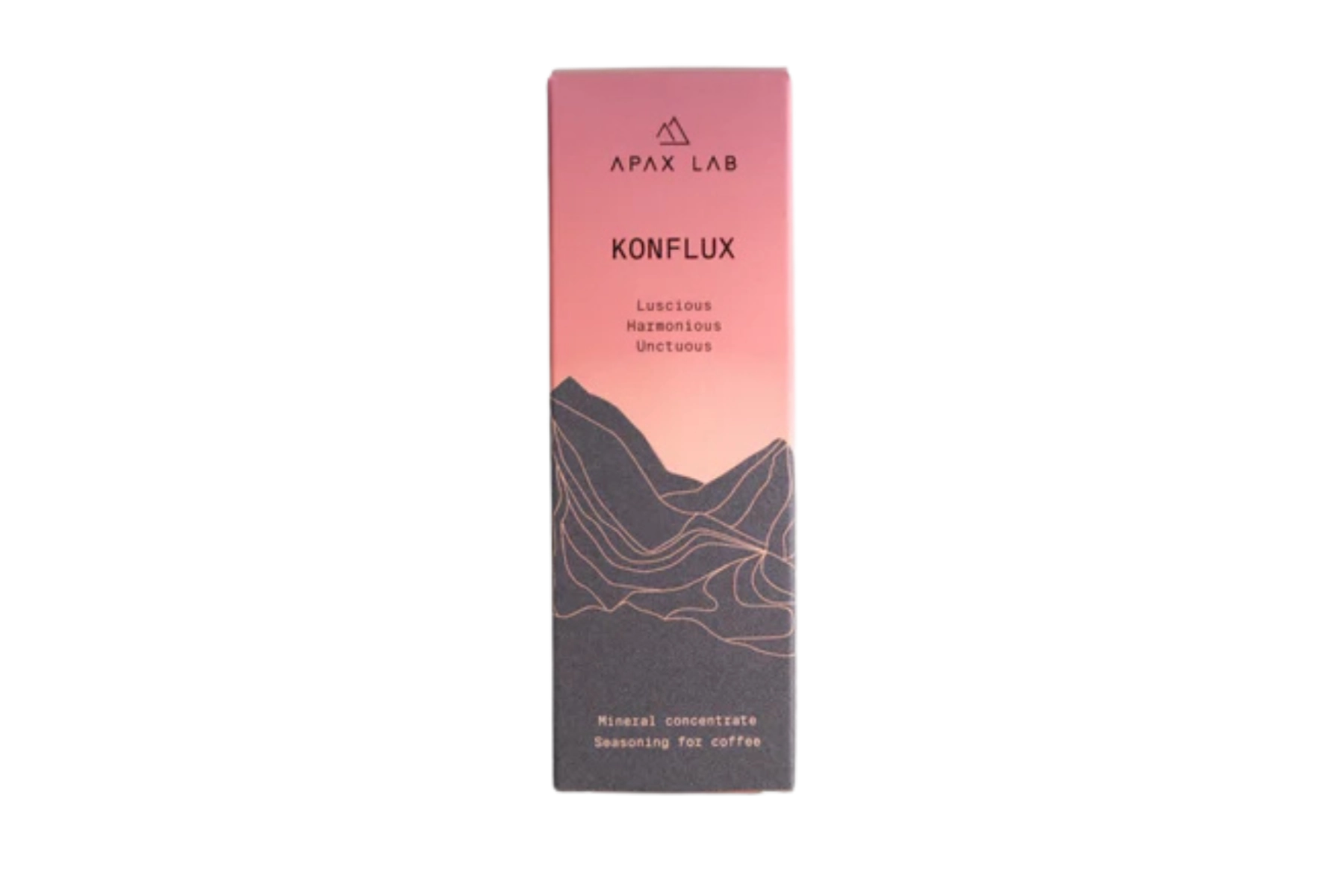
KONFLUX
Pearl - Pitch Black
My Tree – MGS Paraíso 2